
Having a CAD/CAM milling machine on-site doesn't mean every restoration is finished the same day, but being able to carry the scanned data straight through from design to fabrication in-house makes a real difference in the treatment process. It removes the back-and-forth of sending impressions out to a dental lab and waiting for them to come back, and any gap between the design data and the actual milled result can be checked and adjusted directly on-site.
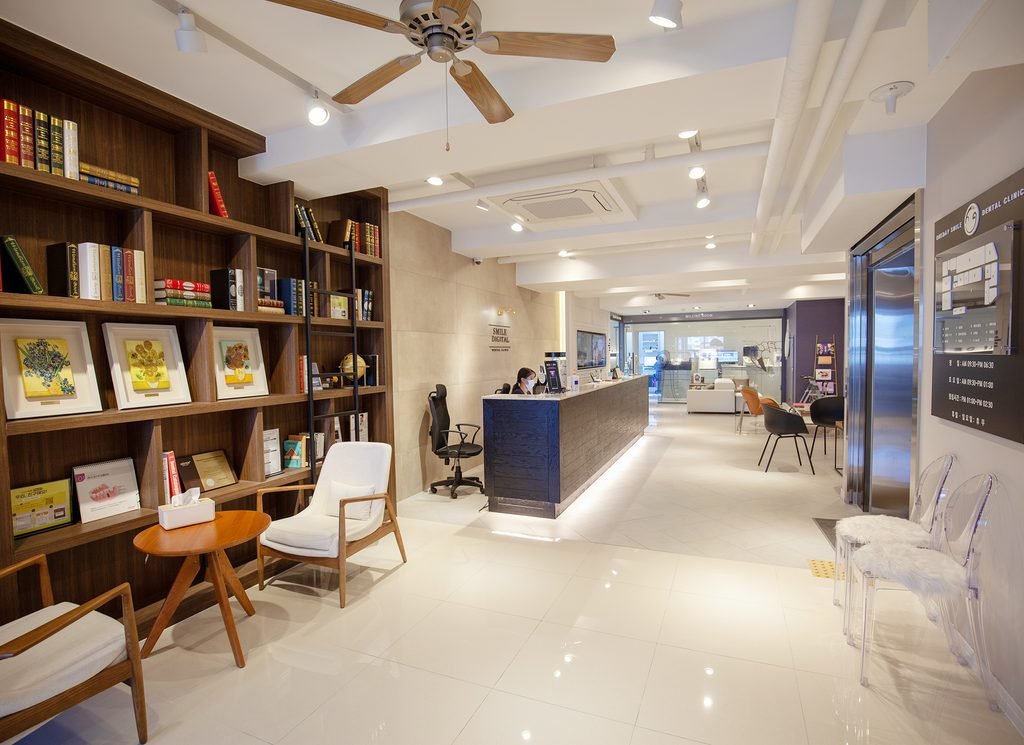
What exactly does it mean to have a CAD/CAM milling machine on-site?
In the CAD/CAM process, tooth data captured with an intraoral scanner is designed on a computer (CAD), and that design data is then used to mill a block of material such as zirconia (CAM) into the actual restoration. At many dental clinics, this design data is sent to an outside dental lab, which mills it on their own CAD/CAM equipment and returns the finished piece a few days later. Having the milling machine on-site means this final step — fabrication — is carried out directly inside the clinic.
What actually changes when the CAD/CAM milling machine is on-site?
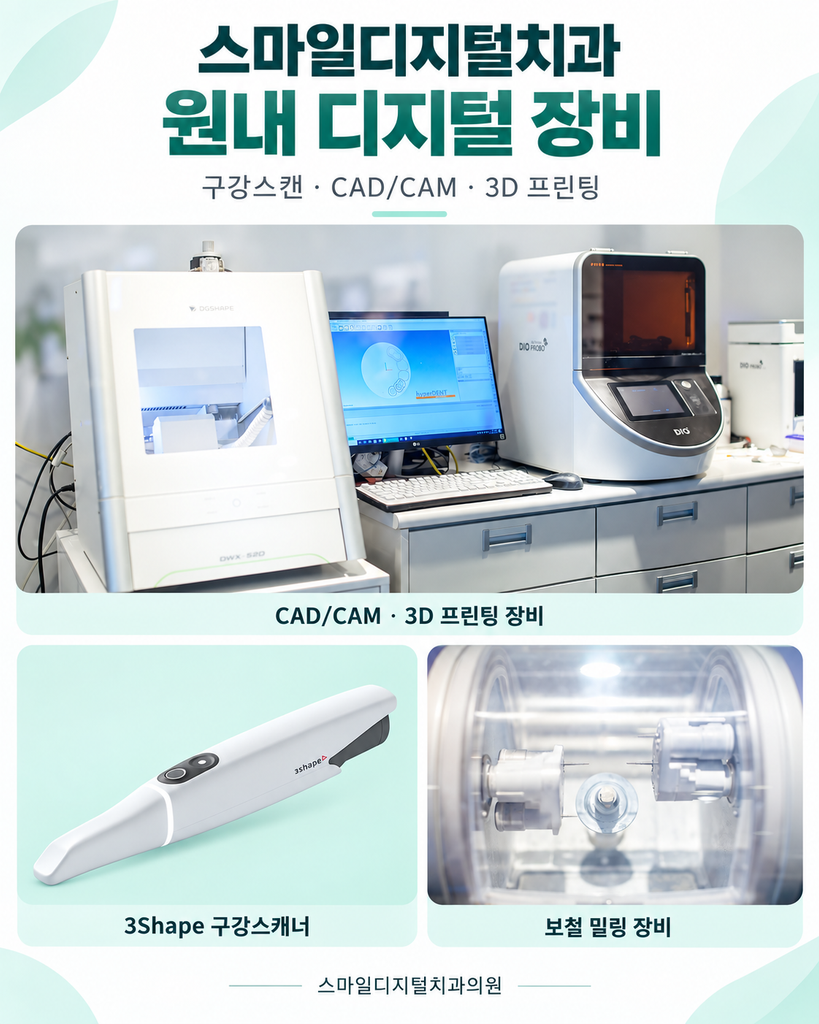
The biggest difference with an on-site CAD/CAM milling machine is that the shipping time to and from an outside dental lab disappears. Once the design is finished, the data can go straight to the in-house milling machine to start fabrication, structurally cutting down the days of waiting that sending data to a lab and receiving the finished piece back would otherwise take. The design software and milling equipment are also linked together within the same clinic, so when the shade or bite needs adjusting, redesigning and re-milling on the same visit tends to be relatively easier. That said, this doesn't mean the whole process always finishes within a single day — the actual time required can vary depending on the condition of the teeth and gums and the extent of the restoration.
How does the actual fabrication process work?
At Smile Digital Dental Clinic, we first record the shape of the teeth as digital data with a 3Shape intraoral scanner. Based on this data, the restoration is designed in our design software, and a Sirona MCXL or Roland milling machine on-site then mills a block into the actual restoration. Our 3D printer is used alongside this for things like temporary teeth and surgical guides. Once the restoration is complete, we check the shade and bite, make any needed adjustments, and finish by bonding it in place.
Does every restoration finish the same day with a CAD/CAM milling machine?
Not necessarily. Standard cases, such as a simple crown where the nerve isn't exposed, are often finished the same day or within a day or two, but cases involving esthetic restorations across multiple teeth, or ones that also require stabilizing the gums, can still need several rounds of matching color and shape even with a CAD/CAM milling machine, which can mean more visits. Whether same-day treatment is possible varies by case, so it's best to confirm with an exam first.
How does Smile Digital Dental Clinic in Busan Seomyeon operate this equipment?
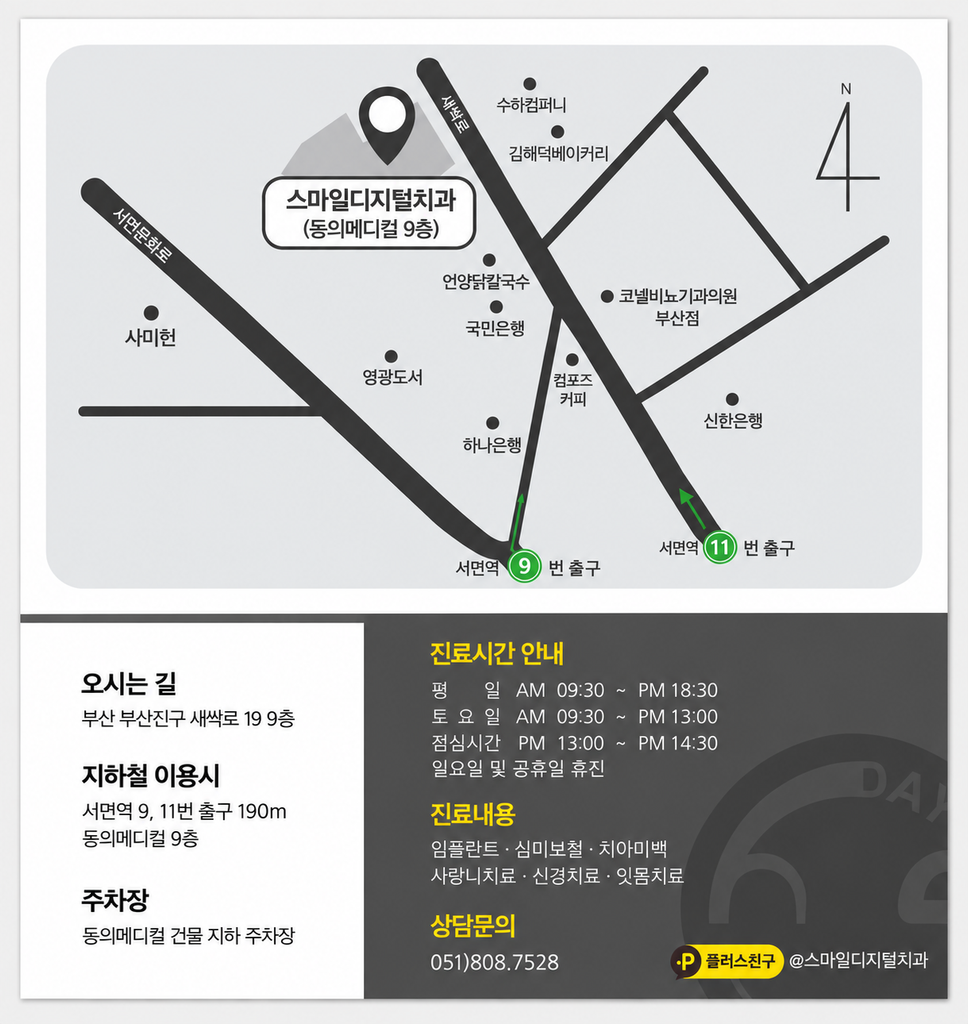
Smile Digital Dental Clinic first opened in 2008, adopted the CAD/CAM approach starting in 2010, and has been practicing in Busan Seomyeon since 2018. Our director earned a DDS/PhD in Dentistry from Pusan National University and has served for one year each on the faculty of the Department of Periodontics at Baylor College of Dentistry and the Department of Prosthodontics at Texas A&M University. The clinic currently operates a 3Shape intraoral scanner, a Sirona MCXL, a Roland milling machine, and a 3D printer together; this equipment is used as a reference tool for diagnostic accuracy and treatment planning, while the actual clinical judgment and care are carried out directly by the director.
What to know before treatment using an in-house CAD/CAM milling machine
The number of visits and the duration for restorations made with a CAD/CAM milling machine also depend on the condition of your teeth and the material. If you tell us your schedule before your visit, we will guide you on what treatment is possible; if you are curious about fast restorations, please also see our one-day crown and same-day prosthetics page.
Who is CAD/CAM milling-machine treatment a good fit for?
In-house fabrication is often chosen by patients who want fewer visits. Typical examples are people who travel from far away and cannot come back many times, people whose work schedules leave little room for long appointments, and people who want to settle a dental problem before an event such as a wedding or a job interview. In these cases we first check which prosthetic is possible and whether it can fit the schedule, and then make a plan. Treatment that suits the condition of the teeth comes before fitting a schedule, so the method we recommend may change depending on the examination results.
What do you check before placing a milled prosthetic?
A milled prosthetic is not bonded right away. It is first tried on the tooth. We check the contact with neighboring teeth, the bite when chewing, the color, and how well the margin fits against the gum one by one, and adjust or redesign it on the spot if needed. Because the prosthetic is made in-house, this kind of adjustment can often continue on the same day. We also recommend regular check-ups after placement to review its condition.
More about CAD/CAM milling machines
If you are curious about how restorations are made in-house, see our guide to same-day crowns and one-day restorations and our guide to Seomyeon Implants as well. For general information about dental treatment, you can also check the Korean Dental Association website as well.
This post is provided for informational purposes only and does not guarantee the effect or outcome of any specific procedure. Treatment plans and timelines may vary depending on each patient's individual condition.